Mail Us

tamannavinaik@gmail.com

Mon To Sat

10 AM–2 PM, 4–8 PM

Call Us Now

077388 48620

Blog

Your blog category

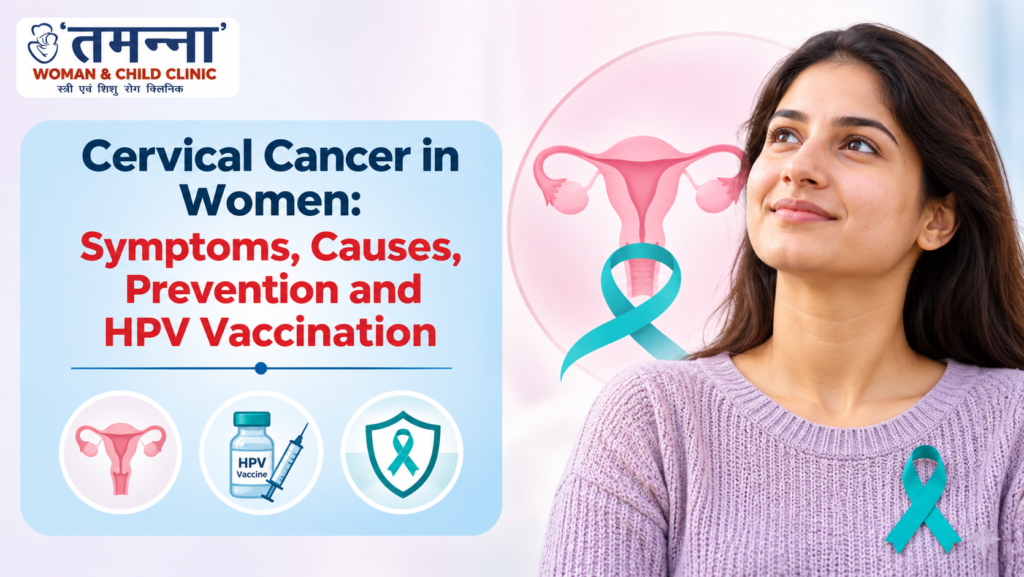
Cervical cancer in women awareness illustration showing symptoms, causes, prevention, HPV vaccination and cervical health protection.
Blog

Cervical Cancer in Women: Symptoms, Causes, Prevention and HPV Vaccination

Cervical Cancer Screening in Raipur is an important part of preventive women’s healthcare. It helps identify abnormal changes in the cervix at an early stage, even before noticeable symptoms develop. Cervical cancer usually develops in the cells of the cervix, the lower part of the uterus, and is primarily associated with persistent infection with high-risk human papillomavirus (HPV). Women looking for information about HPV Vaccination in Raipur or cervical health can benefit from timely medical guidance. Regular screening, HPV vaccination and appropriate follow-up play an important role in cervical cancer prevention. At Tamanna Women and Child Clinic, Dr. Tamanna Vinaik Agrawal, M.B.B.S., M.S. (Obstetrics and Gynecology), provides personalized gynecological consultations for women seeking preventive healthcare in Raipur. Why Is Cervical Cancer Screening Important? Cervical cancer may develop gradually, and precancerous changes often do not cause noticeable symptoms. Cervical Cancer Screening in Raipur helps identify these changes early so that appropriate evaluation and treatment can be arranged. Screening is different from testing for symptoms. A woman experiencing unusual bleeding, persistent discharge or pelvic pain should consult a doctor rather than wait for a routine screening appointment. A consultation with an obstetrician-gynecologist can help determine whether screening, diagnostic tests or further evaluation is appropriate. What Are the Early Symptoms of Cervical Cancer? Early cervical changes may not cause symptoms. When symptoms occur, they can include: Bleeding after sexual intercourse. Bleeding between menstrual periods or after menopause. Menstrual bleeding that is heavier or lasts longer than usual. Unusual vaginal discharge, sometimes watery, blood-stained or with an unpleasant smell. Pelvic pain or pain during sexual intercourse. These symptoms can also occur due to conditions other than cancer. They should be assessed by a healthcare professional, especially if they are new, persistent or unusual for you. Cervical Cancer Screening in Raipur is meant for prevention and early detection; it does not replace medical assessment of symptoms. What Causes Cervical Cancer in Women? The main cause is persistent infection with high-risk types of human papillomavirus. HPV is a common virus transmitted through intimate skin-to-skin contact. Most HPV infections clear naturally, but some high-risk infections can persist and cause abnormal cervical cell changes over time. Factors that may increase the risk include: Persistent infection with high-risk HPV. Smoking or tobacco use. A weakened immune system. A history of cervical precancerous changes. Limited access to regular screening and follow-up care. Having an HPV infection does not mean a person has cervical cancer. Regular Cervical Cancer Screening in Raipur and timely follow-up can help identify changes that need attention. How Can Cervical Cancer Be Prevented? Prevention includes HPV vaccination, recommended screening, and follow-up of abnormal results. Avoiding tobacco and seeking medical advice for unusual symptoms are also important parts of protecting cervical health. Women who want to understand HPV Vaccination in Raipur can ask a qualified doctor which vaccine and schedule are suitable for their age and health circumstances. Vaccination works best before exposure to HPV, but eligibility for older adolescents and adults should be discussed individually. What Is HPV Vaccination and Who Should Get It? HPV vaccines protect against the HPV types responsible for most cervical cancer cases. The World Health Organization identifies girls aged 9–14 years as the primary target group for vaccination. Recommendations for older age groups and the number of doses depend on age, immune status, vaccine product and applicable national guidance. A consultation about HPV Vaccination in Raipur can help parents and individuals understand the expected benefits, appropriate timing, dose schedule and any precautions. The vaccine prevents new HPV infections; it does not treat an existing infection or cervical disease. Vaccinated women still need cervical screening when they reach the recommended age. What Is a Pap Smear Test and How Does Cervical Cancer Screening Work? A Pap smear test checks cells collected from the cervix for abnormal or precancerous changes. An HPV test looks for high-risk HPV infection. Depending on local resources and clinical guidance, screening may also use visual inspection with acetic acid (VIA). The method and interval are not identical for every woman. In India’s public health programme, women aged 30–65 may be offered VIA screening at five-year intervals. A doctor may recommend a different test or follow-up plan based on symptoms, previous results, immune status and medical history. Cervical Cancer Screening in Raipur should therefore be planned with a healthcare professional rather than self-scheduled using a general online rule. When Should You Consult an Obstetrician Gynecologist in Tatibandh Raipur? Consider booking a consultation if you: Have never had cervical screening and are within the recommended screening age. Have missed follow-up after an abnormal Pap smear or HPV test. Experience bleeding after intercourse, between periods or after menopause. Have persistent unusual vaginal discharge or pelvic discomfort. Want advice about HPV vaccination for yourself or your child. An Obstetrician Gynecologist in Tatibandh Raipur can review your symptoms and history, explain available tests and guide you on the next steps. Do not delay assessment of unusual bleeding or persistent symptoms while waiting for a routine screening date. How Can an Obstetrician Gynecologist in Tatibandh Raipur Help With Screening? A gynecologist can review your age, medical history, previous test results and risk factors before recommending suitable screening methods, such as a Pap smear, HPV test or VIA. If results are abnormal, further evaluation, including colposcopy or biopsy, may be required. An abnormal result does not automatically mean cancer. At Tamanna Women and Child Clinic, Dr. Tamanna Vinaik Agrawal offers gynecological consultations. She holds an M.S. in Obstetrics and Gynecology from Grant Medical College and Sir J.J. Group of Hospitals, Mumbai, and an M.B.B.S. from Government Medical College, Aurangabad. Women consulting an Obstetrician Gynecologist in Tatibandh Raipur can discuss preventive care, screening options and recommended follow-ups. Where Can You Get Guidance on HPV Vaccination in Raipur? For information about HPV Vaccination in Raipur, discuss the available vaccine, age eligibility, dose schedule, expected benefits and precautions with a healthcare professional. Parents can ask about vaccination for eligible adolescents, while adults can seek individualized advice based on

Winter care tips for newborn babies in Raipur featuring Dr. Yugesh Agrawal, pediatrician, with guidance on warm clothing, room humidity and gentle baby skincare.
Blog

Winter Care Tips for Newborn Babies: Expert Guide for Parents in Raipur

Newborn Baby Care in Raipur becomes especially important during winter because newborn babies have delicate skin, developing immune systems, and limited ability to regulate their body temperature. Cold weather can increase the risk of dry skin, temperature-related problems, feeding difficulties, and respiratory infections. Therefore, parents should follow proper winter care practices to keep their babies healthy, comfortable, and protected. Dr. Yugesh Kumar Agrawal is an experienced Consultant Pediatrician and Neonatologist who provides specialized care for newborns, infants, and children. At Tamanna Women & Child Care Clinic and Devi Women & Child Hospital in Raipur, he focuses on newborn health, breastfeeding support, growth monitoring, and childhood healthcare. Parents looking for a Child Care Clinic in Raipur can seek professional guidance for newborn health, seasonal infections, vaccinations, and healthy child development. Families searching for a Pediatrician Near AIIMS Raipur can consult Dr. Yugesh Kumar Agrawal for expert newborn care, breastfeeding support, and personalized pediatric guidance to support their child’s healthy growth and development. Why Is Newborn Baby Care in Raipur Important During Winter? Newborn babies are more sensitive to cold temperatures because their bodies are still developing the ability to maintain a stable temperature. Premature and low-birth-weight babies may require additional attention because they can lose body heat more easily. During winter, cold air, dry indoor environments, and exposure to respiratory infections may affect a baby’s comfort and health. Proper winter care helps: Maintain a comfortable body temperature. Protect delicate skin from dryness. Support healthy breastfeeding and nutrition. Reduce exposure to seasonal infections. Promote safe sleep and healthy development. Identify health concerns at an early stage. Consulting a Pediatrician Near AIIMS Raipur can help parents understand their newborn’s individual needs and follow suitable winter precautions. 7 Essential Winter Care Tips for Newborn Babies 1. Dress Your Baby in Comfortable Warm Layers Choosing suitable clothing is an important part of Newborn Baby Care in Raipur during colder months. Newborns need comfortable clothing that protects them from cold without causing overheating. Parents should: Choose soft, breathable cotton clothing. Use comfortable innerwear and warm sleepsuits. Cover the baby’s head, hands, and feet appropriately when outdoors. Avoid tight or irritating fabrics. Remove extra layers when entering a warm room. Check the baby’s chest or back to assess whether they feel comfortably warm. A general guideline is to dress your baby in approximately one more layer than an adult would wear in the same environment. Avoid excessive wrapping because overheating can also be harmful. 2. Maintain a Comfortable Room Temperature A comfortable indoor environment is essential for newborn health during winter. Keep your baby’s sleeping area away from cold drafts, open windows, and direct exposure to heaters. Important precautions include: Keep the room comfortably warm. Avoid placing the baby’s cot close to heaters or fireplaces. Never use electric heating pads or hot water bottles in the baby’s sleeping area. Avoid excessive room heating. Maintain appropriate ventilation. A Child Care Clinic in Raipur can provide additional guidance for parents of premature and low-birth-weight babies who may need special temperature management. 3. Follow Safe Sleeping Practices Good sleep supports a baby’s growth and development. However, keeping a newborn warm at night should never compromise sleep safety. Follow these precautions: Always place your baby on their back for sleep. Use a firm, flat sleeping surface. Keep pillows, soft toys, and loose blankets away from the sleeping area. Use an appropriately sized wearable sleep sack if needed. Never cover your baby’s head while sleeping. Avoid excessive bedding and heavy quilts. Safe sleeping practices help reduce sleep-related risks while keeping your baby comfortable. 4. Continue Breastfeeding for Better Nutrition Breastfeeding plays an important role in newborn nutrition and immunity. Breast milk provides essential nutrients and immune-supporting components that help babies grow and develop. Parents should: Feed the baby according to hunger cues. Ensure proper latching and positioning. Monitor wet diapers and weight gain. Avoid giving water or other liquids to exclusively breastfed newborns unless medically advised. Seek professional help if the baby has feeding difficulties. Dr. Yugesh Kumar Agrawal is an International Board Certified Lactation Consultant (IBCLC) and provides breastfeeding-related guidance to mothers. Parents visiting a Pediatrician Near AIIMS Raipur can discuss breastfeeding concerns, inadequate weight gain, and infant feeding difficulties. 5. Protect Delicate Baby Skin from Dryness Cold weather and low humidity can make newborn skin dry, sensitive, and irritated. A gentle skincare routine helps protect delicate skin. Useful winter skincare practices include: Use mild, fragrance-free baby skincare products. Avoid frequent bathing with hot water. Keep bath time short. Gently pat the skin dry with a soft towel. Apply a suitable baby moisturizer when needed. Avoid harsh soaps and strongly scented products. Change wet or soiled diapers promptly. If your baby develops persistent redness, rashes, or unusual irritation, consult a pediatrician rather than trying multiple products without guidance. 6. Maintain Proper Hygiene to Prevent Infections Newborn babies have developing immune systems, so hygiene is especially important during winter. Parents should: Wash their hands before touching or feeding the baby. Avoid contact with people who have cold or flu symptoms. Keep clothes and bedding clean. Avoid crowded places during periods of increased infections. Clean feeding equipment properly. Keep the baby away from cigarette smoke and dust. A Child Care Clinic in Raipur can guide parents about preventive healthcare and age-appropriate vaccinations. 7. Monitor Your Baby’s Feeding and Body Temperature Regular feeding and temperature monitoring are important aspects of newborn health. Watch for changes in feeding habits, activity levels, and wet diapers. Parents should seek medical advice if the baby feeds poorly, appears unusually sleepy, feels abnormally cold, or shows signs of dehydration. Premature babies may require additional monitoring as advised by their neonatologist. Common Winter Health Problems in Newborn Babies Winter weather can increase the risk of cold, cough, dry skin, and other health problems in newborns. Proper Newborn Baby Care in Raipur helps parents protect their babies and recognize early warning signs. Common Cold and Nasal Congestion Blocked nose, sneezing, and difficulty feeding are common winter concerns in newborns. Consult

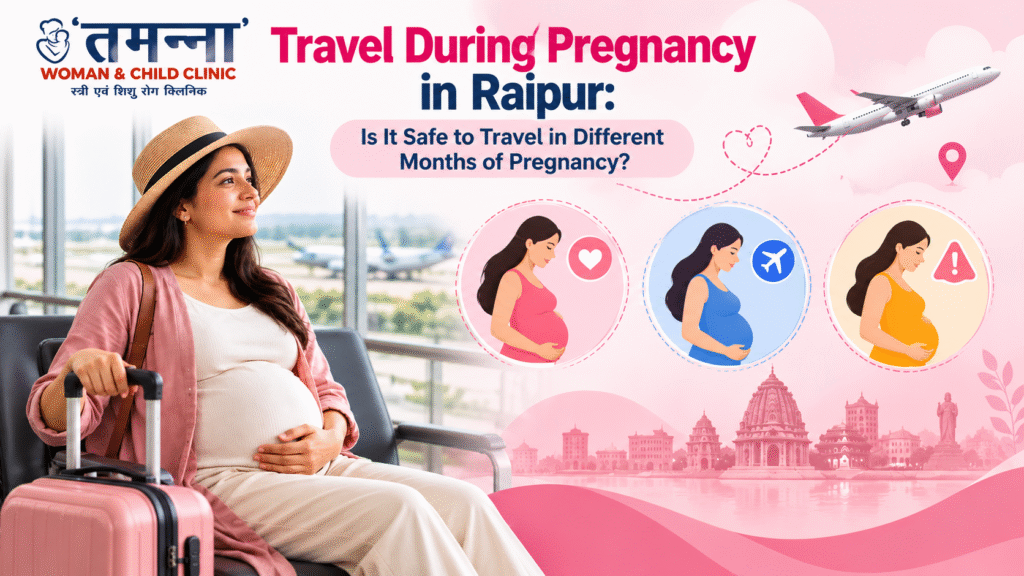
Travel during pregnancy in Raipur infographic by Tamanna Woman & Child Clinic, explaining pregnancy travel safety during different trimesters.
Blog

Travel During Pregnancy : Is It Safe to Travel in Different Months of Pregnancy?

Pregnancy is a special journey, and many women need to travel for work, family commitments, or medical appointments during this time. However, travelling during pregnancy requires proper planning and precautions to protect the health of both the mother and baby. If you are planning a trip, understanding when travel is safe and when it should be avoided is important. Travel During Pregnancy  should always be planned according to your stage of pregnancy, overall health, and your gynaecologist’s advice. Dr. Tamanna Vinaik Agrawal, an experienced obstetrician and gynaecologist at Tamanna Women & Child Clinic, Tatibandh, Raipur, provides pregnancy check-ups and personalised pregnancy care. Consulting a Gynecologist Near AIIMS Raipur can help you understand the precautions you may need before travelling, especially if you have an existing medical condition or a high-risk pregnancy. Is Travel During Pregnancy in Raipur Safe? In many uncomplicated pregnancies, travelling is generally safe with appropriate precautions. However, the safest time and method of travel can vary from one woman to another. Your gestational age, medical history, pregnancy complications, and the distance you plan to travel all matter. Before planning Travel During Pregnancy in Raipur, consult your obstetrician to confirm whether travelling is appropriate for your situation. Women experiencing vaginal bleeding, severe abdominal pain, high blood pressure, or other pregnancy complications may need to avoid travel or undergo medical assessment first. A consultation with a Gynecologist in Tatibandh, Raipur can help you understand your individual risks and prepare for a safer journey. Travel During Pregnancy in the First Trimester (Months 1–3) The first trimester involves important early developmental changes. Some women feel comfortable travelling, while others experience nausea, vomiting, fatigue, dizziness, or food aversions. Precautions During the First Trimester Avoid travelling when you feel excessively weak, dizzy, or unwell. Carry water and light snacks to help manage nausea. Take breaks during long road journeys. Keep your prenatal consultation and prescribed medicines up to date. Seek medical advice if you experience bleeding, severe pain, or persistent vomiting. If you are considering Travel During Pregnancy in Raipur during the first trimester, speak to your doctor about your symptoms and destination. Early pregnancy does not automatically mean travel is unsafe, but your personal health should guide the decision. Travel During Pregnancy in the Second Trimester (Months 4–6) For many women with uncomplicated pregnancies, the second trimester is often the most comfortable period for travel. Nausea may improve, and energy levels may increase. Nevertheless, individual circumstances differ, and travel should still be planned carefully. Tips for Safer Travel Choose a comfortable mode of transport. Keep your prenatal records and emergency contact details with you. Stay hydrated and eat regular, balanced meals. Walk or stretch your legs periodically during long journeys, when safe to do so. Wear a seat belt correctly, with the lap belt positioned low across your hips and beneath your abdomen. Before arranging Travel During Pregnancy in Raipur, consider the length of your journey and the availability of medical facilities at your destination. A Gynecologist Near AIIMS Raipur can review your pregnancy and advise you on any additional precautions. Travel During Pregnancy in the Third Trimester (Months 7–9) Travelling in the third trimester requires extra planning because the chances of pregnancy-related complications and labour increase as the due date approaches. Long-distance journeys may become uncomfortable, and access to maternity care becomes especially important. Your doctor may advise you to avoid travel if you have a high-risk pregnancy, signs of premature labour, placental complications, or other medical concerns. Important Third-Trimester Precautions Discuss your travel plans with your obstetrician before booking. Avoid travelling far from appropriate maternity facilities if your due date is approaching. Carry your pregnancy reports and medical records. Know where you can access emergency maternity care at your destination. Check the airline’s pregnancy travel policy if you plan to fly. If you need advice about Travel During Pregnancy in Raipur during the final months, consult your doctor rather than relying only on general travel recommendations. Road Travel During Pregnancy: Safety Tips Road travel may be manageable during an uncomplicated pregnancy, but long journeys can cause discomfort and prolonged sitting can increase the risk of blood clots. Follow these precautions: Wear your seat belt correctly: Keep the lap belt below your abdomen, across your hips, and position the shoulder belt between your breasts. Take regular breaks: During long trips, stop periodically to walk and stretch if it is safe. Stay hydrated: Carry drinking water and avoid becoming dehydrated. Avoid unnecessary strain: Do not lift heavy luggage or undertake exhausting activities. Plan your route: Identify hospitals or maternity facilities along the way. Women seeking Travel During Pregnancy in Raipur advice should discuss long road journeys with their gynaecologist, particularly if they have a history of pregnancy complications. Air Travel During Pregnancy: What Should You Know? Occasional air travel is generally considered safe for many women with uncomplicated pregnancies, but airline rules and medical recommendations vary. Some airlines restrict travel during later pregnancy or require a medical certificate. Before flying: Check the airline’s pregnancy policy and documentation requirements. Ask your doctor whether flying is suitable for your pregnancy. Keep your medical records and essential medicines in your hand luggage. Drink water and move your legs regularly during the flight. Consider travel insurance that covers pregnancy-related medical care. If you have a high-risk pregnancy or are approaching your due date, obtain medical advice before booking a flight. A Gynecologist in Tatibandh, Raipur can help you assess whether your planned journey is appropriate. When Should You Avoid Travelling During Pregnancy? Travel may need to be postponed or avoided if you have certain complications. These can include: Vaginal bleeding or suspected fluid leakage. Severe abdominal pain or regular contractions. A high-risk pregnancy requiring close monitoring. Severe anaemia or uncontrolled high blood pressure. Placental complications or a significant risk of premature labour. Any condition for which your obstetrician has advised against travel. Seek urgent medical attention if you experience severe abdominal pain, heavy bleeding, difficulty breathing, chest pain, fainting, or other serious symptoms. Do not

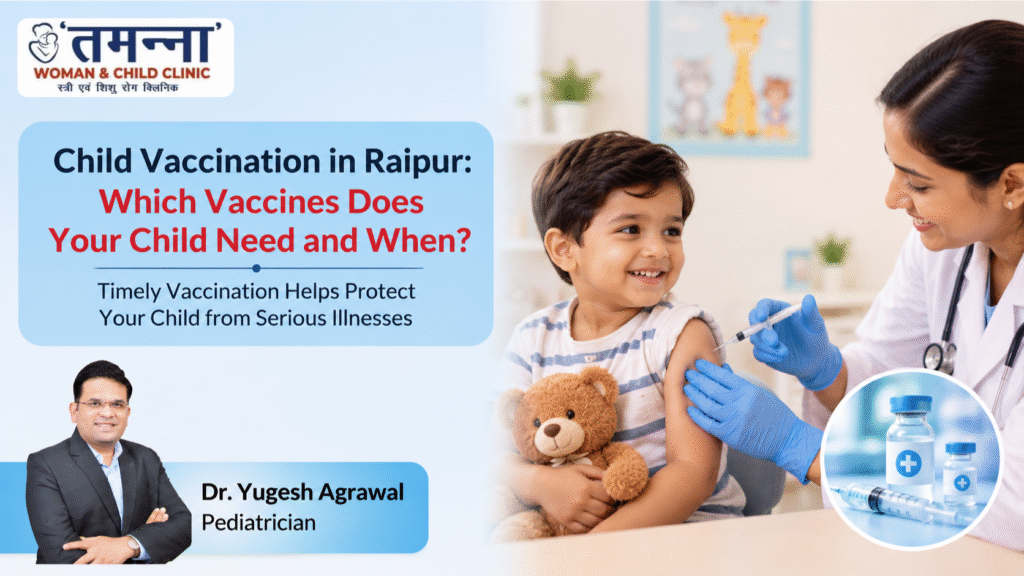
Child vaccination in Raipur by Dr. Yugesh Agrawal, pediatrician at Tamanna Woman & Child Clinic, showing a child receiving a vaccine and highlighting the importance of timely immunization.
Blog

Child Vaccination in Raipur: Which Vaccines Does Your Child Need and When? – Dr Yugesh Kumar Agrawal

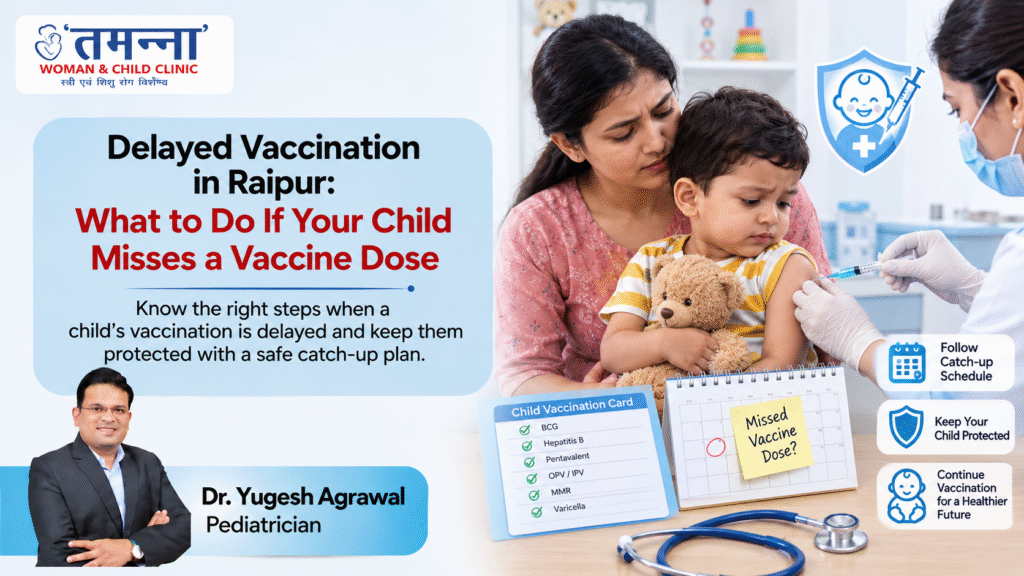
Child vaccination in Raipur is one of the most important steps parents can take to protect their children from serious infectious diseases. Vaccines help build immunity against potentially life-threatening illnesses and play a vital role in ensuring healthy growth and development. Parents often have questions such as: Which vaccines are necessary? When should each vaccine be given? Are vaccines safe? What happens if a vaccine is delayed? If you are looking for child vaccination in Raipur, Dr Yugesh Kumar Agrawal is a highly experienced Pediatrician and Neonatologist who provides comprehensive vaccination and immunization services for newborns, infants, children, and adolescents. He is the Director of Tamanna Women & Child Care Clinic, Raipur, and Consultant Pediatrician at Devi Women & Child Hospital. Best Pediatrician in Raipur – Dr Yugesh Kumar Agrawal When it comes to your child’s health, choosing an experienced pediatrician is extremely important. Dr Yugesh Kumar Agrawal is known as one of the leading pediatricians in Raipur and has extensive experience in child healthcare, newborn care, growth monitoring, nutrition, breastfeeding support, and vaccination services. He has received advanced pediatric training from Grant Medical College and Sir J.J. Group of Hospitals, Mumbai, and is also an International Board Certified Lactation Consultant (IBCLC). Parents choose Dr Yugesh Kumar Agrawal for: Child vaccination Newborn care Growth monitoring Nutritional counseling Childhood illness management Lactation support Developmental assessment Dr Yugesh Kumar Agrawal – Pediatrician & Neonatologist with Advanced Training Experience and specialized training are crucial in pediatric care. Dr Yugesh Kumar Agrawal has completed: MBBS from Government Medical College, Aurangabad MD Pediatrics from Grant Medical College & Sir J.J. Group of Hospitals, Mumbai International Board Certified Lactation Consultant (IBCLC) Pediatric Advanced Life Support (PALS) Certification Infant and Young Child Nutrition Training Advanced training in newborn care and neonatology He was also honored with the Best Resident Award during his pediatric residency training. Why Child Vaccination Is Important Vaccination protects children from serious diseases before they are exposed to them. Vaccines help prevent: Polio Measles Mumps Rubella Hepatitis B Tuberculosis Diphtheria Pertussis (Whooping Cough) Tetanus Rotavirus infection Pneumococcal disease Child vaccination in Raipur helps protect not only individual children but also the community by reducing the spread of infectious diseases. What Is Immunization? Immunization is the process of developing protection against specific diseases through vaccination. Vaccines stimulate the immune system to recognize and fight infections safely without causing the actual disease. This protection helps children stay healthy during their most vulnerable years. Newborn Vaccination in Raipur The first vaccines are usually given shortly after birth. These vaccines help protect newborns against severe infections during the early stages of life. Newborn vaccines commonly include: BCG Vaccine OPV (Oral Polio Vaccine) Hepatitis B Vaccine Dr Yugesh Kumar Agrawal provides newborn vaccination services and guidance for parents regarding future vaccine schedules. Vaccines at 6 Weeks of Age At around six weeks, babies receive several important vaccines. These may include: DPT Vaccine IPV Vaccine Hib Vaccine Rotavirus Vaccine Pneumococcal Vaccine These vaccines protect against multiple serious childhood illnesses. Vaccines at 10 Weeks of Age The second round of infant vaccinations is usually administered around ten weeks. These vaccines continue strengthening immunity against: Polio Diphtheria Pertussis Tetanus Pneumococcal disease Timely vaccination is essential for optimal protection. Vaccines at 14 Weeks of Age At fourteen weeks, children receive additional doses to complete the primary vaccination series. Completing all scheduled doses is important for developing strong immunity. Vaccines at 6 Months of Age At six months, additional vaccines may be recommended depending on the child’s health status and vaccination schedule. These may include: Influenza Vaccine Hepatitis B booster (if required) Parents should discuss vaccine recommendations with their pediatrician. Vaccines at 9 Months of Age At nine months, children often receive protection against highly contagious diseases. Vaccines may include: Measles MMR (depending on schedule) These vaccines play a critical role in preventing outbreaks. Vaccines at 12 to 15 Months As children grow, booster doses and additional vaccines are required. These may include: MMR Vaccine Varicella Vaccine Pneumococcal Booster Following the recommended schedule helps maintain long-term protection. Vaccines for Toddlers and Preschool Children Vaccination does not stop after infancy. Children continue to require booster doses throughout early childhood. These vaccines help reinforce immunity and ensure continued protection. Adolescent Vaccination in Raipur Teenagers also require certain vaccines. Recommended vaccines may include: Tdap Booster HPV Vaccine Influenza Vaccine Dr Yugesh Kumar Agrawal provides guidance regarding age-appropriate adolescent immunization. What Happens If a Vaccine Is Delayed? Many parents worry when a vaccination appointment is missed. In most cases, delayed vaccines can still be administered according to catch-up schedules. Parents should avoid skipping vaccines completely and consult their pediatrician for guidance. Are Vaccines Safe? One of the most common concerns among parents is vaccine safety. Vaccines undergo extensive testing and monitoring before approval. The benefits of vaccination greatly outweigh the risks for most children. Minor side effects may include: Mild fever Temporary swelling Injection site discomfort Mild irritability Serious complications are extremely rare. Common Myths About Child Vaccination Myth 1: Vaccines Cause the Diseases They Prevent Vaccines are designed to train the immune system and generally do not cause the disease they protect against. Myth 2: Healthy Children Do Not Need Vaccines Even healthy children need vaccination because exposure to infectious diseases can happen unexpectedly. Myth 3: Natural Immunity Is Better Natural infection can lead to severe complications. Vaccination provides protection without exposing children to these risks. Benefits of Child Vaccination in Raipur Vaccination provides numerous benefits: Protection from serious diseases Reduced hospitalization risk Better community health Lower risk of complications Long-term disease prevention Improved quality of life Child vaccination remains one of the most effective public health measures available. Growth Monitoring Along with Vaccination Vaccination visits provide an excellent opportunity to monitor a child’s overall health. Dr Yugesh Kumar Agrawal also evaluates: Weight gain Height growth Developmental milestones Feeding habits Nutritional status This comprehensive approach helps ensure healthy child development. Why Parents Choose Dr Yugesh Kumar Agrawal for Child Vaccination in Raipur Parents trust Dr Yugesh

Scroll to Top